
Why Jaw Tightness and TMJ Pain Often Go Together
How Jaw Function and Spinal Alignment May Be Connected
Jaw discomfort can affect more than just eating or talking. For many people, ongoing jaw tightness and TMJ pain may contribute to tension throughout the face, head, and neck. The temporomandibular joints, often called the TMJ, connect the jaw to the skull and play an important role in everyday movement.
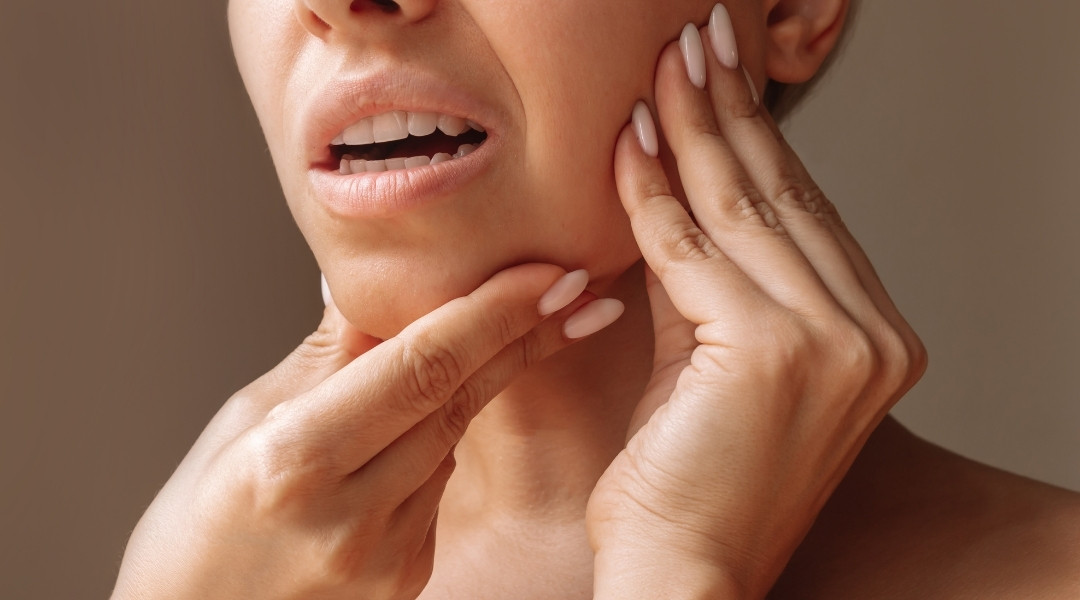
Because the jaw works closely with the muscles of the head, neck, and upper spine, tension in one area may influence how the surrounding structures function. Understanding how TMJ pain develops and what may contribute to jaw tightness can help people better support their overall comfort and mobility.
What Is TMJ Pain?
The temporomandibular joints are located on both sides of the jaw and help control movements such as chewing, speaking, and opening the mouth. TMJ pain refers to discomfort involving these joints or the surrounding muscles.
Some people experience occasional jaw tightness, while others notice more persistent symptoms that affect daily activities. In many cases, the issue is not limited to the jaw itself but may involve surrounding muscles, posture, and movement patterns.
Common Signs of TMJ Dysfunction
TMJ-related symptoms can vary from person to person. Some symptoms may remain mild, while others become more noticeable over time.
Common signs may include:
- Jaw tightness or stiffness
- Clicking or popping sounds when opening the mouth
- Facial tension or soreness
- Difficulty chewing comfortably
- Pain near the jaw or ears
- Headaches or neck tension
Symptoms may increase during periods of stress or after activities that place extra strain on the jaw, such as clenching or grinding the teeth.
What Causes Jaw Tightness and TMJ Pain?
Several factors may contribute to TMJ discomfort. Often, the condition develops gradually as tension and stress build within the muscles and joints surrounding the jaw.
Potential contributing factors include:
- Teeth grinding or clenching
- Poor posture, especially forward head posture
- Muscle tension in the neck and shoulders
- Stress-related jaw tightening
- Joint irritation or imbalance
Because the jaw and neck work closely together, posture and spinal alignment may influence how pressure is distributed through the surrounding muscles and joints.
How Posture May Affect the Jaw
Posture plays an important role in how the muscles of the neck and jaw function. When the head consistently moves forward while sitting, working, or using phones and computers, extra strain may be placed on the upper spine and jaw muscles.
Over time, this added tension may contribute to restricted movement, muscle tightness, and discomfort involving the TMJ. Supporting better posture and spinal alignment may help reduce unnecessary stress throughout these connected areas.
How Chiropractic Care May Help
Chiropractic care focuses on improving spinal movement, posture, and overall function. At Rhythm of Life Chiropractic in Franklin, evaluations may include looking at how the jaw, neck, and upper spine are working together.
When spinal joints are not moving properly, surrounding muscles may compensate and become tight or irritated. Improving spinal alignment and mobility may help support more balanced movement patterns throughout the neck and jaw.
Care may include:
- Gentle chiropractic adjustments
- Postural correction strategies
- Mobility recommendations
- Guidance on movement habits that support spinal health
The goal is to support better function and reduce mechanical stress throughout the body.
Supporting Jaw and Neck Comfort Throughout the Day
Small daily habits may help reduce tension involving the jaw and upper spine. Becoming more aware of posture and muscle tension can make a meaningful difference over time.
Helpful strategies may include:
- Avoiding prolonged forward head posture
- Taking breaks from screens and desk work
- Practicing relaxation techniques during stressful periods
- Being mindful of jaw clenching throughout the day
- Maintaining good posture while sitting and standing
These habits may help support better movement and reduce unnecessary tension in the jaw and neck.
Schedule an Appointment Today
Schedule an appointment today at Rhythm of Life Chiropractic in Franklin, Wisconsin to learn how chiropractic care may help support spinal alignment, posture, and overall jaw function. The team focuses on improving movement and reducing tension so patients can move more comfortably throughout daily life.
Frequently Asked Questions
What does TMJ pain feel like?
TMJ pain may involve jaw soreness, tightness, clicking, facial tension, or discomfort near the ears and jaw joints.
Can poor posture affect TMJ pain?
Poor posture, especially forward head posture, may increase tension in the muscles surrounding the jaw and neck, which can contribute to discomfort.
Why does my jaw click when I open my mouth?
Jaw clicking may occur when the temporomandibular joint is not moving smoothly or when surrounding muscles become tight or imbalanced.
Can stress make TMJ symptoms worse?
Stress may contribute to jaw clenching or muscle tension, which can increase pressure on the jaw and surrounding structures.
When should someone seek care for TMJ pain?
If jaw tightness, discomfort, or clicking becomes persistent or begins interfering with daily activities, it may be helpful to seek professional evaluation.