
Why Does My Back Hurt After Shoveling Snow?
Why Does My Back Hurt After Shoveling Snow?
Back pain after shoveling snow is a common concern during Wisconsin winters, especially after the first major snowfall. Clearing a driveway involves repetitive lifting, pushing, bending, and moving heavy snow—often for longer than your body is accustomed to.
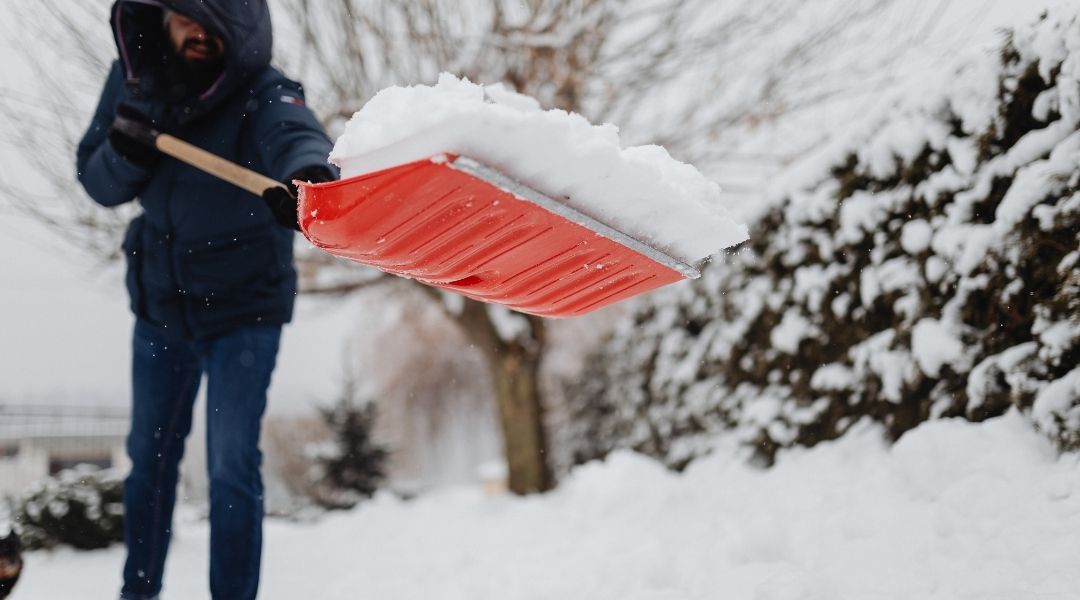
If your lower back feels sore or stiff afterward, you might wonder whether you’ve strained a muscle, injured a disc, or lifted incorrectly.
The reassuring news is that back pain doesn’t automatically mean you’ve damaged your spine. In many cases, discomfort is related to unfamiliar physical demands, muscle fatigue, or temporary sensitivity. Understanding why symptoms develop can help you recover, recognize warning signs, and approach the next snowfall with greater confidence.
Why Does Shoveling Snow Cause Lower Back Pain?
Snow shoveling is more physically demanding than it may seem. It requires coordinated effort from your back, abdominal muscles, hips, legs, shoulders, and arms.
Someone who spends much of the week sitting at a desk may suddenly spend 45 minutes repeatedly lifting and throwing snow after a winter storm. That significant increase in activity can leave muscles sore or fatigued.
Several factors may contribute to back discomfort:
- Sudden increases in activity: Shoveling may exceed your usual physical workload.
- Repetitive movements: Hundreds of lifting and pushing motions can create fatigue.
- Heavy, wet snow: Dense snow requires more effort to lift and move.
- Limited conditioning: Strength and endurance influence how comfortably you tolerate physical demands.
- Insufficient breaks: Working continuously can make the task increasingly difficult.
Even physically active people can experience soreness after an unfamiliar activity.
Importantly, bending and twisting are normal spinal movements. They aren’t inherently dangerous, and experiencing pain doesn’t prove that a vertebra has moved out of alignment.
The amount of weight, movement speed, repetition, fatigue, and individual physical capacity often matter more than maintaining one supposedly perfect posture.
Is It Normal for Your Back to Hurt After Shoveling?
Mild muscle soreness can occur after an unusually demanding shoveling session.
You might notice stiffness when getting out of bed, tenderness across your lower back, or discomfort when bending the following morning.
One possible explanation is delayed-onset muscle soreness (DOMS), which commonly develops after unfamiliar or strenuous activity. Symptoms may become noticeable within 12–24 hours and peak approximately 24–72 hours afterward.
However, not every episode of back pain after shoveling is ordinary muscle soreness.
A sudden sharp pain, significant difficulty walking, or symptoms extending into the leg may require further evaluation. Pain location and intensity alone cannot reliably identify whether a muscle, disc, or another structure is responsible.
The key distinction is that pain is not a direct measurement of tissue damage.
How to Prevent Back Pain While Shoveling Snow
Although no technique can guarantee that you’ll avoid back pain, several practical strategies can make snow removal more manageable.
Push Snow Instead of Lifting When Possible
Pushing snow across a relatively flat driveway can reduce the need to repeatedly lift and throw heavy loads.
When lifting is necessary, use smaller shovel loads, particularly with wet or compacted snow.
Moving closer to the snow and repositioning your feet toward the dumping area may also make heavy loads easier to manage.
You don’t need to avoid every bending or twisting movement. Instead, focus on controlling the amount of weight you’re moving and avoiding sudden, forceful throws when fatigued.
Warm Up Before Heading Outside
A brief warm-up may help you transition into physical activity.
Before shoveling, consider spending three to five minutes performing comfortable movements such as:
- Marching or walking around the house.
- Gentle hip hinges.
- Comfortable trunk rotations.
- A few shallow squats or sit-to-stands.
A warm-up doesn’t guarantee injury prevention, but it provides an opportunity to begin moving gradually before more strenuous work.
Take Breaks Before You’re Exhausted
You don’t need to clear the entire driveway in one uninterrupted session.
If you’re not accustomed to strenuous activity, consider starting with five to ten minutes of shoveling followed by a short break. Adjust the timing based on your conditioning and the amount of snow.
Take a break if you notice increasing muscle fatigue, worsening back discomfort, or difficulty maintaining a comfortable pace.
For particularly large snowfalls, a snowblower, assistance from someone else, or professional snow removal may be more appropriate.
Heart health matters, too. Heavy snow shoveling can place significant demands on the cardiovascular system, especially in cold weather. People with known heart disease or substantial cardiovascular risk factors should seek medical guidance before strenuous snow removal. Chest pressure, unusual shortness of breath, or faintness during shoveling requires emergency medical attention.
What Should You Do if Your Back Hurts After Shoveling?
If you develop mild or moderate lower back discomfort without concerning symptoms, you generally don’t need to remain completely still until the pain disappears.
For uncomplicated back pain, staying appropriately active is often recommended.
Helpful early strategies may include:
- Taking short, comfortable walks.
- Continuing ordinary daily movements as tolerated.
- Temporarily reducing heavy lifting or demanding chores.
- Using heat or cold for temporary symptom relief.
- Getting adequate sleep and allowing time for recovery.
- Gradually returning to normal activities as symptoms improve.
Avoid prolonged bed rest when possible. Complete inactivity can reduce conditioning and make returning to normal activities more difficult.
Recovery isn’t always perfectly linear. Having a more uncomfortable day after a better day doesn’t necessarily mean you’ve reinjured your back.
However, symptoms that are severe, worsening, or not meaningfully improving deserve professional attention.
When Is Back Pain After Shoveling Serious?
Most episodes of uncomplicated lower back pain are not caused by a serious medical condition, but certain symptoms should never be ignored.
Seek emergency medical attention if you experience:
- New loss of bladder or bowel control or difficulty urinating with neurological symptoms.
- Numbness around the groin, genitals, or saddle area.
- Rapidly progressive leg weakness or major difficulty walking.
- Severe back pain following significant trauma, particularly with neurological symptoms.
Other reasons to seek prompt medical evaluation include severe pain after a fall, especially with osteoporosis, fever accompanying significant back pain, or new or worsening numbness and weakness.
Pain that travels into the buttock or leg, particularly with tingling, numbness, or weakness, may suggest nerve involvement and warrants appropriate assessment.
If your back pain substantially interferes with daily activities, continues worsening, or doesn’t meaningfully improve over approximately one to two weeks, consider scheduling a professional evaluation sooner rather than assuming it will resolve on its own.
Can Chiropractic Care Help With Back Pain After Shoveling?
For selected people experiencing uncomplicated musculoskeletal lower back pain, chiropractic care may be one component of conservative treatment.
An appropriate evaluation should begin with a discussion of symptoms, medical history, physical limitations, and any warning signs that might require medical referral.
Depending on the findings, care may include:
- Education about back pain and recovery.
- Guidance on remaining appropriately active.
- Spinal manipulation or mobilization when suitable.
- Individualized mobility and strengthening exercises.
- Strategies for gradually returning to normal activities.
Spinal manipulation may provide modest short-term improvements in pain and function for some patients. However, adjustments aren’t necessary for everyone and shouldn’t be described as putting displaced vertebrae back into place.
At Rhythm of Life Chiropractic, the purpose of seeking an evaluation should be to understand your symptoms and explore appropriate care options—not to assume every episode of soreness requires ongoing treatment.
Meaningful progress includes being able to walk, bend, lift, and participate in everyday activities with greater comfort and confidence.
How to Build a Stronger Back for Wisconsin Winters
Preparing for future snowfalls involves more than changing how you hold a shovel.
Maintaining strength, endurance, and regular movement throughout winter may help you better tolerate demanding activities.
Strengthen Your Entire Body
Snow shoveling requires effort from more than your lower back.
Exercises that may help develop general physical capacity include:
- Squats or sit-to-stands.
- Hip hinges or appropriately modified deadlifts.
- Rows.
- Farmer’s carries.
- Bird dogs or modified side planks.
For generally healthy adults, strength training at least two days per week is a reasonable goal. Begin with manageable resistance and gradually progress based on your abilities.
Maintain Cardiovascular Fitness
Walking, cycling, swimming, and other aerobic activities can help develop endurance.
General physical activity guidelines recommend approximately 150 minutes of moderate-intensity aerobic activity per week for adults who can safely participate.
If you’re currently inactive, you can begin with shorter sessions and gradually increase your activity.
Stay Active Between Snowstorms
One of the biggest challenges of winter is transitioning from relatively sedentary days to demanding snow removal.
Regular walks, strength exercises, and movement breaks throughout the workday can help maintain your activity level.
If snowstorms arrive close together, allow for recovery and adjust the workload when you’re still sore.
The goal isn’t to develop a perfectly rigid spine or avoid bending and twisting. It’s to gradually build the physical capacity needed for everyday activities.
Don’t Let Back Pain Make You Afraid of Movement
Experiencing back pain after shoveling can be frustrating, especially when another snowfall is approaching.
But one painful episode doesn’t automatically mean your back is damaged, unstable, or incapable of handling physical activity.
The spine is a strong, adaptable structure. For many people, returning to comfortable movement, gradually rebuilding strength, and managing physical demands are useful parts of recovery.
No lifting technique, exercise program, or chiropractic treatment can guarantee that back pain will never occur.
However, staying active, recognizing your limits, and seeking appropriate evaluation when needed can help you approach winter activities with greater confidence.
Schedule an appointment today. Connect with Rhythm of Life Chiropractic in Franklin, Wisconsin, if you’re experiencing persistent or recurring lower back pain after shoveling snow. An individualized evaluation can help identify possible contributing factors, determine whether conservative care is appropriate, and provide guidance for returning to everyday activities.
Meet the Doctor at Rhythm of Life Chiropractic
Dr. Nicholas Herbert, D.C. is a chiropractor at Rhythm of Life Chiropractic. He earned his Doctor of Chiropractic degree in 2014 and joined the practice in 2022. His professional background includes chiropractic practice in North Carolina and Indiana, and he emphasizes patient education and an active, healthy lifestyle.
To learn more about his professional background and approach to patient care, visit the clinic’s Meet the Team page.
Frequently Asked Questions
How long does a strained back muscle take to heal?
A mild back muscle strain may begin improving within several days, while more substantial strains can take several weeks or longer to recover. Healing time varies with the severity of the injury, general health, and activity demands. Not all back pain after shoveling is caused by a muscle strain, so the timeline cannot be determined from soreness alone. Gradual movement and appropriate activity modification may help during recovery. Seek professional evaluation if pain is severe, worsening, or not improving as expected.
At what age should a woman stop shoveling snow?
There is no specific age at which every woman should stop shoveling snow. The more important considerations are cardiovascular health, strength, endurance, balance, medical conditions, and the amount of snow being moved. Heavy snow removal can be strenuous at any age. Women with heart disease, significant cardiovascular risk factors, osteoporosis, or mobility limitations may need medical guidance or assistance with snow removal. Using smaller loads, pacing the activity, or hiring help can be appropriate regardless of age.
How to tell if back pain is disc or muscle?
Symptoms alone cannot reliably distinguish muscle-related back pain from disc-related pain. Muscle soreness may feel localized and tender, while some disc-related conditions can produce pain traveling into the leg, tingling, numbness, or weakness. However, these patterns overlap, and not every disc abnormality causes symptoms. A healthcare professional can assess your medical history, movement, strength, sensation, and neurological findings. Imaging is not routinely necessary for uncomplicated acute lower back pain without warning signs.
What are the warning signs that your back injury is serious?
Emergency warning signs include new loss of bladder or bowel control, difficulty urinating with neurological symptoms, numbness around the groin or saddle area, rapidly progressive leg weakness, or severe back pain after significant trauma with neurological symptoms. Severe pain after a fall, particularly in someone with osteoporosis, also warrants prompt assessment. Fever with significant back pain, new or worsening numbness, and pain that progressively worsens should be evaluated. Do not assume these symptoms are ordinary soreness from shoveling.
Why does my lower back hurt after shoveling snow?
Lower back pain after shoveling snow may develop because the activity involves unfamiliar lifting, pushing, bending, and repeated muscular effort. Heavy, wet snow, fatigue, and a sudden increase in workload can contribute to soreness or temporary sensitivity. This does not automatically mean a disc or spinal joint has been damaged. Using manageable loads, taking breaks, staying active throughout winter, and gradually building strength may help you tolerate snow removal more comfortably.
Medical Resources & Further Reading
The following resources discuss conservative lower back pain treatment, spinal manipulation, and recommended physical activity. They do not establish that any treatment can guarantee prevention of snow-shoveling injuries.
- Qaseem A, Wilt TJ, McLean RM, Forciea MA. Noninvasive Treatments for Acute, Subacute, and Chronic Low Back Pain. Annals of Internal Medicine, 2017. Clinical practice guidelines reviewing noninvasive treatment options for lower back pain.
- Paige NM, et al. Association of Spinal Manipulative Therapy With Clinical Benefit and Harm for Acute Low Back Pain. JAMA, 2017. A systematic review and meta-analysis examining spinal manipulation for acute lower back pain.
- Centers for Disease Control and Prevention. Adult Activity: An Overview. Summarizes aerobic and muscle-strengthening activity recommendations for adults.
This article is for educational purposes and is not a substitute for individualized medical advice, diagnosis, or treatment.