
Pediatric Chiropractic Care
How Chiropractic Supports Healthy Development in Children
Childhood is a time of rapid growth, movement, and change. From learning to crawl and walk to participating in sports and carrying backpacks, children’s bodies adapt constantly to new physical demands. While kids are often resilient, their developing spines and nervous systems can still experience stress from posture habits, minor falls, repetitive movements, or growth spurts.
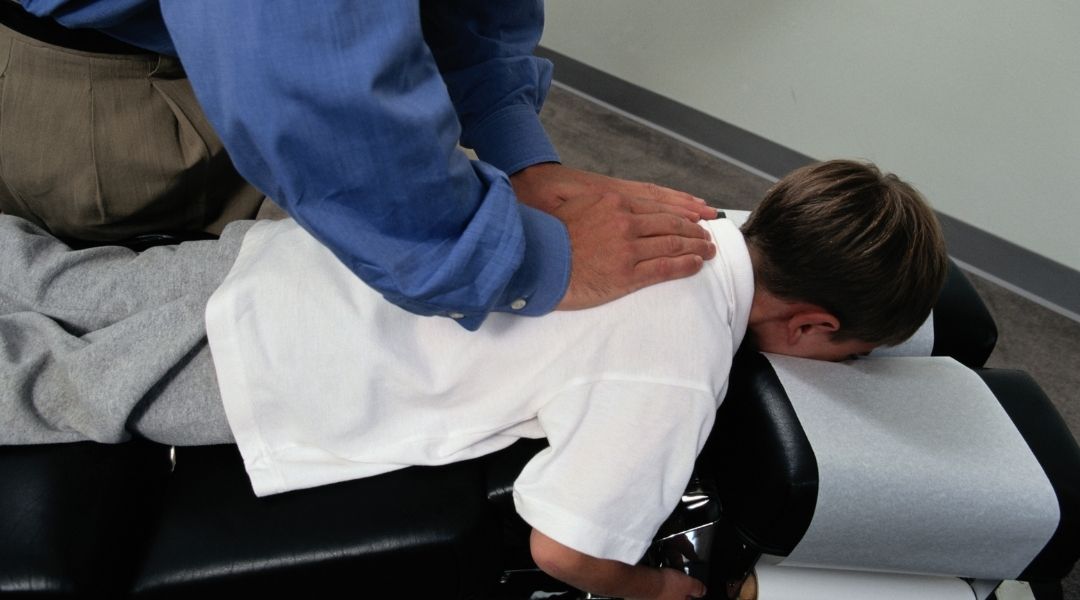
Pediatric chiropractic care focuses on supporting healthy spinal movement and development during these important years. Rather than treating disease, this approach centers on evaluating posture, mobility, and alignment to help children move and function comfortably as they grow.
Why Spinal Health Matters in Childhood
The spine plays a key role in protecting the nervous system and supporting overall movement. During childhood, the body is developing foundational movement patterns that can influence posture and mechanics later in life.
When spinal joints are not moving efficiently, it may contribute to:
- Muscle tension
- Postural changes
- Reduced flexibility
- Uneven weight distribution
- Discomfort with activity
Because growth happens quickly in children, small mechanical imbalances can sometimes become habitual if not addressed early.
Common Reasons Parents Consider Pediatric Chiropractic Care
Parents often seek chiropractic evaluations when they notice changes in posture or recurring complaints of discomfort. While occasional aches are common during growth, persistent patterns may benefit from a professional assessment.
Common concerns include:
- Frequent neck or back discomfort
- Slouching or forward head posture
- Uneven shoulders or hips
- Head tilting
- Sports-related strain
- Recurrent “growing pains”
A chiropractic evaluation helps determine whether spinal mobility or alignment may be contributing factors.
What Makes Pediatric Chiropractic Different
Pediatric chiropractic care is not the same as adult care. Techniques are adapted to match a child’s size, age, and stage of development. Adjustments, when appropriate, are gentle and low-force.
Pediatric visits often include:
- Postural assessment
- Movement evaluation
- Age-appropriate adjustments
- Guidance on daily habits
- Recommendations for supportive exercises
The goal is to support natural development, not to apply adult treatment strategies to growing bodies.
Posture and Modern Childhood
Today’s children face unique posture challenges. Increased screen time, prolonged sitting in school, and heavy backpacks can place added strain on developing spines.
Common postural patterns seen in children include:
- Forward head posture
- Rounded shoulders
- Slouched sitting
- Limited thoracic mobility
- Asymmetrical stance
Over time, these habits may influence spinal curves and muscle balance. Early awareness and simple adjustments to daily routines can help reinforce healthier posture patterns.
Supporting Developmental Milestones
As children grow, they reach important developmental milestones such as crawling, standing, walking, and participating in organized sports. Efficient joint movement and balanced muscle activity help support these transitions.
Pediatric chiropractic care may include:
- Evaluating spinal mobility during growth spurts
- Assessing coordination and balance
- Monitoring postural development
- Providing exercises to encourage symmetry
These evaluations are designed to ensure that movement patterns are developing smoothly and efficiently.
The Role of the Nervous System
The spine protects the spinal cord, which is part of the central nervous system. Because the nervous system helps coordinate movement and communication throughout the body, maintaining spinal mobility may support overall function.
Chiropractic care does not treat neurological conditions. However, maintaining healthy joint motion may support optimal communication between the brain and body during critical growth phases.
Healthy Habits That Support Spinal Development
Chiropractic care works best when combined with healthy lifestyle habits at home. Parents can encourage supportive routines that promote posture and movement.
Helpful habits include:
- Encouraging regular physical activity
- Limiting prolonged screen time
- Ensuring proper backpack fit and weight
- Promoting stretching after sports
- Supporting ergonomic study setups
- Small, consistent changes can have long-term benefits for developing bodies.
- Setting Realistic Expectations
Pediatric chiropractic care focuses on monitoring and supporting growth, not correcting every minor posture change immediately. Growth is dynamic, and children adapt quickly. Regular evaluations help identify patterns early and guide appropriate recommendations.
Every child is different. A thorough assessment helps determine whether chiropractic care aligns with a family’s goals and whether ongoing monitoring is appropriate.
The Bottom Line
Pediatric chiropractic care centers on supporting spinal mobility, posture, and movement during critical developmental years. By evaluating alignment and daily habits early, families can take a proactive approach to musculoskeletal health.
If you have concerns about your child’s posture or recurring discomfort, an evaluation can provide clarity and guidance. At Rhythm of Life Chiropractic in Franklin, WI, care is focused on gentle, individualized support for growing bodies.
Schedule an Appointment
Schedule an appointment to have your child’s posture and spinal development evaluated. Pediatric chiropractic care at Rhythm of Life Chiropractic in Franklin, WI focuses on gentle techniques designed to support healthy growth and movement.
Frequently Asked Questions
What is pediatric chiropractic care?
Pediatric chiropractic care focuses on evaluating spinal mobility, posture, and movement patterns in children using gentle, age-appropriate techniques.
Is chiropractic care safe for children?
When performed by a chiropractor trained in pediatric techniques, care is adapted to a child’s size and developmental stage.
At what age can a child see a chiropractor?
Children of various ages may be evaluated depending on parental concerns and developmental milestones.
Can chiropractic care help with growing pains?
Growing pains are often linked to muscle fatigue and biomechanical stress. A chiropractic evaluation may help assess movement patterns that influence discomfort.
How often should children receive chiropractic care?
Frequency varies based on individual needs and findings during evaluation. Recommendations are tailored to each child.