
Is Your Hip Alignment Causing Back Pain?
Signs, Causes, and Chiropractic Solutions
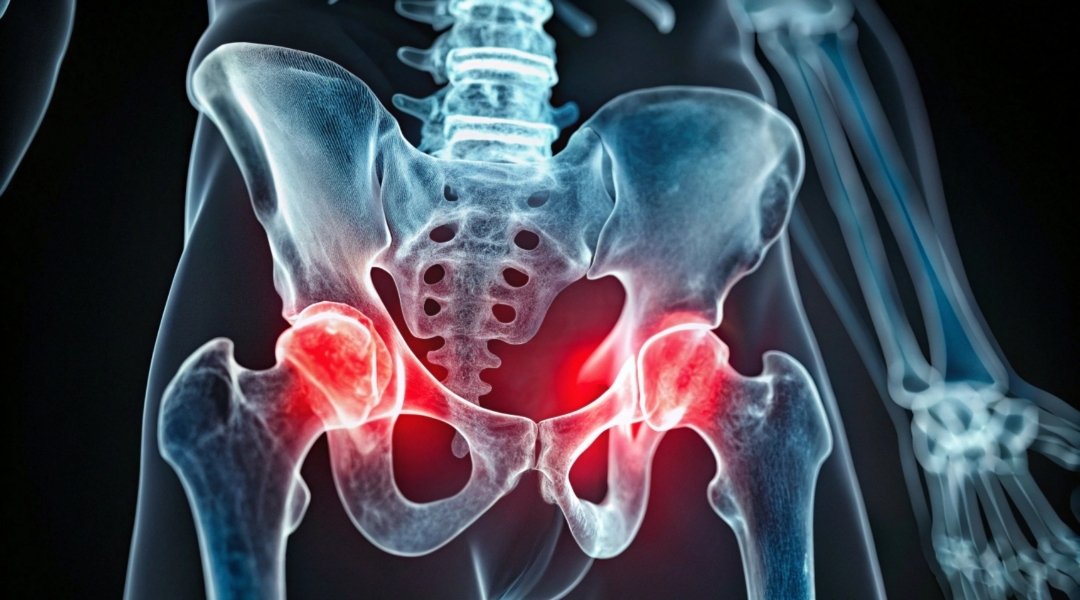
Most people don’t think about their hips until pain shows up — but your hips are the foundation of your entire spine. When they shift even slightly out of alignment, your spine is forced to compensate. Over time, this can lead to recurring low back pain, sciatica, stiffness, and posture changes you can feel but can’t quite explain. If you’ve been battling chronic discomfort that comes and goes, your hip alignment may be the underlying cause you’ve been missing.
Quick summary:
Hip alignment affects your entire spinal foundation
Misalignment often leads to recurring pain
Small imbalances can create big symptoms
What Is Hip Misalignment (and Why Does It Happen)?
Hip misalignment occurs when one or both sides of your pelvis tilt, rotate, or shift out of a balanced position. Because the hips support the spine, even a subtle shift can create noticeable changes in how you move and feel. Modern lifestyle habits — from sitting too long to past injuries — commonly contribute. Pregnancy, repetitive work tasks, and structural imbalances in the spine can also gradually pull the hips out of their ideal alignment.
Quick summary:
Hips may tilt, rotate, or shift unevenly
Caused by sitting, injuries, posture habits, pregnancy, and more
Small structural changes can lead to major discomfort
How Poor Hip Alignment Affects Your Spine
When the hips are uneven, the spine loses its balanced base. That forces certain muscles to overwork, others to underwork, and the joints to absorb stress unevenly. Over time, this imbalance can irritate nerves, tighten surrounding muscles, and alter your posture — often resulting in back pain that feels unrelenting or random. Left untreated, hip misalignment can influence the entire spinal chain from the low back to the neck.
Quick summary:
Uneven hips force your spine to compensate
Leads to nerve irritation, tight muscles, and posture changes
Common symptoms include low back pain, sciatica, SI joint issues
Signs Your Hips Might Be Misaligned
You don’t need to feel hip pain to have misaligned hips. Many people notice recurring back pain or stiffness long before they realize the pelvis is the root of the issue. Visual changes are common too — like one hip appearing higher or a subtle tilt when standing. If you feel tightness when standing up after sitting or you notice uneven wear on your shoes, your hips may be out of balance.
Quick summary:
One hip may look or feel higher
Back pain, stiffness, or a “short leg” feeling
Uneven shoe wear or shifting pelvis when walking
How Chiropractic Care Helps Correct Hip Misalignment
Chiropractic care focuses on restoring balance to the pelvis and spine using precise, evidence-based adjustments. During your evaluation, a chiropractor may assess your posture, weight distribution, and movement patterns. Digital X-rays can highlight subtle pelvic shifts that aren’t visible from the outside. Treatment often includes pelvic adjustments, spinal corrections, and exercises designed to retrain your muscles to support proper alignment long-term.
Quick summary:
Chiropractic adjustments realign the hips and spine
Exams and X-rays reveal structural imbalances
Rehab exercises help your body hold the correction
At-Home Habits That Support Better Hip Alignment
Keeping your hips balanced isn’t just about treatment — daily habits matter, too. Stretching tight muscles, strengthening weak ones, and improving your sitting posture can help maintain the alignment restored in your chiropractic sessions. Taking regular movement breaks and avoiding crossed-leg sitting can also reduce the strain on your pelvis. Supporting your body between visits helps improve long-term results.
Quick summary:
Stretch tight hip flexors; strengthen glutes and core
Sit with both feet flat; avoid crossing legs
Move frequently and improve workstation ergonomics
When to See a Chiropractor About Hip or Spine Problems
If hip or low back pain keeps returning or gradually worsens, it’s worth having a chiropractor evaluate your pelvic alignment. Symptoms like morning stiffness, sciatic pain, or a noticeable change in your posture all indicate that something in your foundation isn’t functioning the way it should. Addressing misalignment early prevents long-term joint strain and helps preserve mobility as you age.
Quick summary:
Persistent or recurring pain is a sign to get evaluated
Sciatica, posture changes, or pelvic pain signal misalignment
Early correction helps prevent long-term spinal stress
Balanced Hips Create a Balanced Spine
Your hips shape the way your spine moves, functions, and feels every day. When they’re aligned, your body works with ease. When they’re not, your spine works overtime — often resulting in chronic discomfort. If you’ve been searching for answers to recurring back or hip pain, examining hip alignment may be the key to long-lasting relief.
Restore Balance. Relieve Back Pain.
Ready to address the root cause of your discomfort? Schedule your chiropractic evaluation today and start moving with ease again.
Frequently Asked Questions
1. Can hip misalignment really cause back pain?
Yes. When the hips are uneven, the spine loses its stable foundation, forcing muscles and joints to compensate. This often leads to low back pain, sciatica, and stiffness that returns frequently.
2. How do I know if my hips are out of alignment?
Common signs include one hip feeling higher, uneven shoe wear, recurring low back pain, tight hip flexors or hamstrings, or a pelvis that shifts when you walk. A chiropractor can confirm misalignment through an exam or X-rays.
3. What causes hip misalignment in the first place?
Sitting for long hours, poor posture, old injuries, pregnancy, repetitive movements, and structural imbalances can all shift the hips out of proper alignment over time.
4. Can chiropractic adjustments fix uneven hips?
Yes. Chiropractic care can help realign the pelvis, reduce muscle tension, restore proper movement, and improve spinal balance. Many patients experience relief from back pain and sciatica once hip alignment is corrected.
5. When should I see a chiropractor for hip or back pain?
If your pain keeps coming back, you notice changes in your posture, or you have symptoms like sciatica, stiffness, or pelvic pain, it’s a good idea to get evaluated. Early care can prevent long-term spinal stress.